
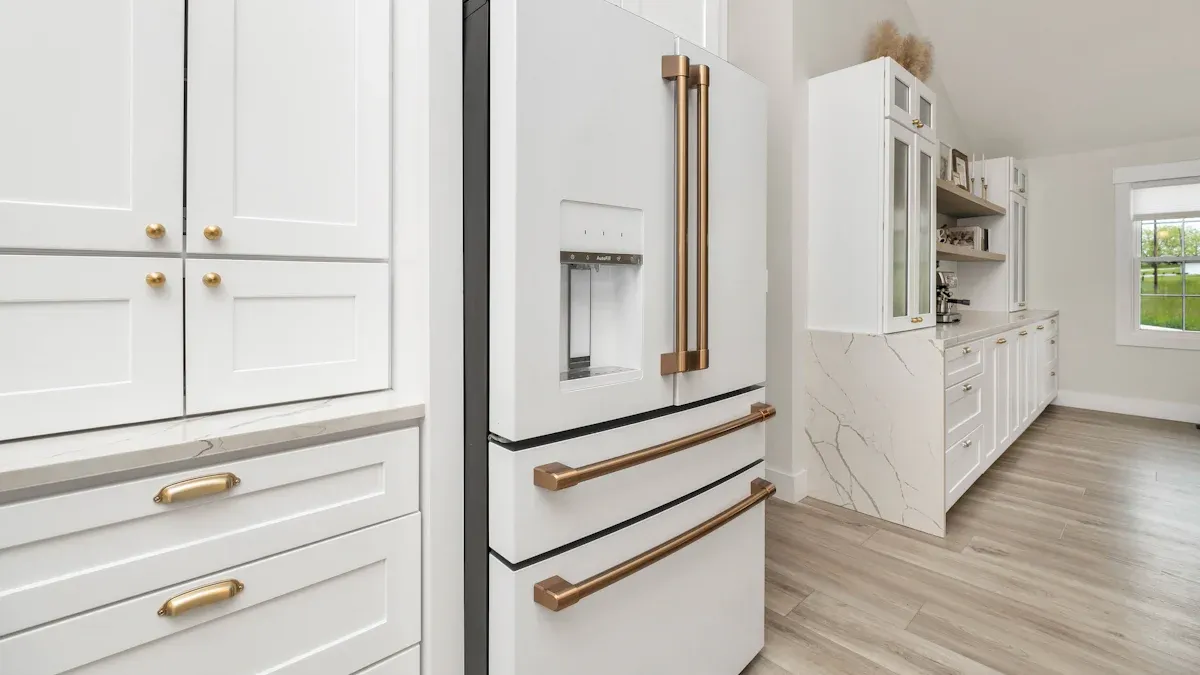
Unique cabinet knobs transform a home’s aesthetic. They unlock the power of small details, creating significant design impact. Distinctive hardware choices elevate any space from ordinary to extraordinary. Selecting the right Cabinet Knobs and Handles can redefine a room’s character. Even elements like Shower Room Fittings contribute to a cohesive design narrative. Thoughtful hardware selection introduces personality and sophistication.
Key Takeaways
- Mix different styles of cabinet knobs, like modern with vintage, to make your home look unique.
- Use bright colors or contrasting shades for your cabinet knobs to add a pop of color to your room.
- Combine different metal finishes, such as brass and chrome, to create a fancy and layered look.
- Choose very large cabinet knobs to make a bold statement and draw attention to your cabinets.
- Place cabinet knobs in unusual spots, like off-center, to give your furniture a modern and artistic feel.
- Use cabinet knobs on furniture like dressers or as wall hooks to decorate other parts of your home.
- Pick cabinet knobs made from cool materials like stone, wood, or glass to add interesting textures.
- Group several cabinet knobs together on wide drawers or panels to create a special design.
Mix and Match Styles for Eclectic Charm with Cabinet Knobs and Handles
Designers often combine different hardware styles to achieve an eclectic and personalized look. This approach adds depth and character to any space. It allows for creative expression, moving beyond traditional uniform aesthetics. Thoughtful mixing of styles creates a truly unique environment.
Combine Modern with Vintage Cabinet Knobs
Blending modern and vintage cabinet knobs offers a sophisticated contrast. This combination creates visual interest and a sense of history. It allows homeowners to honor classic designs while embracing contemporary trends.
Sleek Metal with Ornate Ceramic
Sleek metal knobs provide a clean, minimalist counterpoint to ornate ceramic pieces. For example, designers often pair antique brass door hardware with brushed gold modern cabinet pulls. This strategy unifies finishes across different hardware types. It creates a cohesive yet varied appearance. Modern cabinet knobs are minimalist and streamlined. Their functional design makes them suitable for combining with ornate vintage pieces. This pairing balances intricate details with simple forms.
Geometric Shapes with Classic Designs
Geometric shapes introduce a contemporary edge. They contrast beautifully with classic, more traditional designs. Consider using antique drawer pulls on a statement furniture piece. Then, install modern kitchen Cabinet Handles on everyday cabinetry. This approach highlights specific elements while maintaining overall harmony. A rustic dresser gains a fresh look with modern cabinet knobs. Conversely, antique door knobs can ground a glossy vanity. Consistency in finish or tone is crucial when mixing vintage and contemporary hardware. This ensures a layered, custom look.
Blend Rustic with Glam Cabinet Knobs
Combining rustic and glam elements creates an unexpected and luxurious aesthetic. This blend brings together raw, natural textures with polished, sparkling accents. It results in a rich, inviting atmosphere.
Raw Wood with Crystal Accents
Raw wood knobs offer an organic, earthy feel. Crystal accents introduce sparkle and sophistication. This pairing creates a striking visual dynamic. The natural warmth of wood complements the brilliant clarity of crystal. This combination works well in various settings, from kitchens to bathrooms.
Industrial Iron with Polished Brass
Industrial iron provides a robust, utilitarian presence. Polished brass adds a touch of elegance and warmth. This contrast highlights both materials’ unique qualities. The dark, matte finish of iron enhances the bright, reflective surface of brass. This blend creates a balanced look, combining strength with refinement. When selecting Cabinet Knobs and Handles, consider how different materials interact. Avoid choosing hardware that is too low budget. Such choices can detract from a well-designed space. Always consider proportion and finish durability. These factors ensure the hardware relates well to the cabinetry style.
Play with Bold Colors and Contrasts in Your Cabinet Knobs
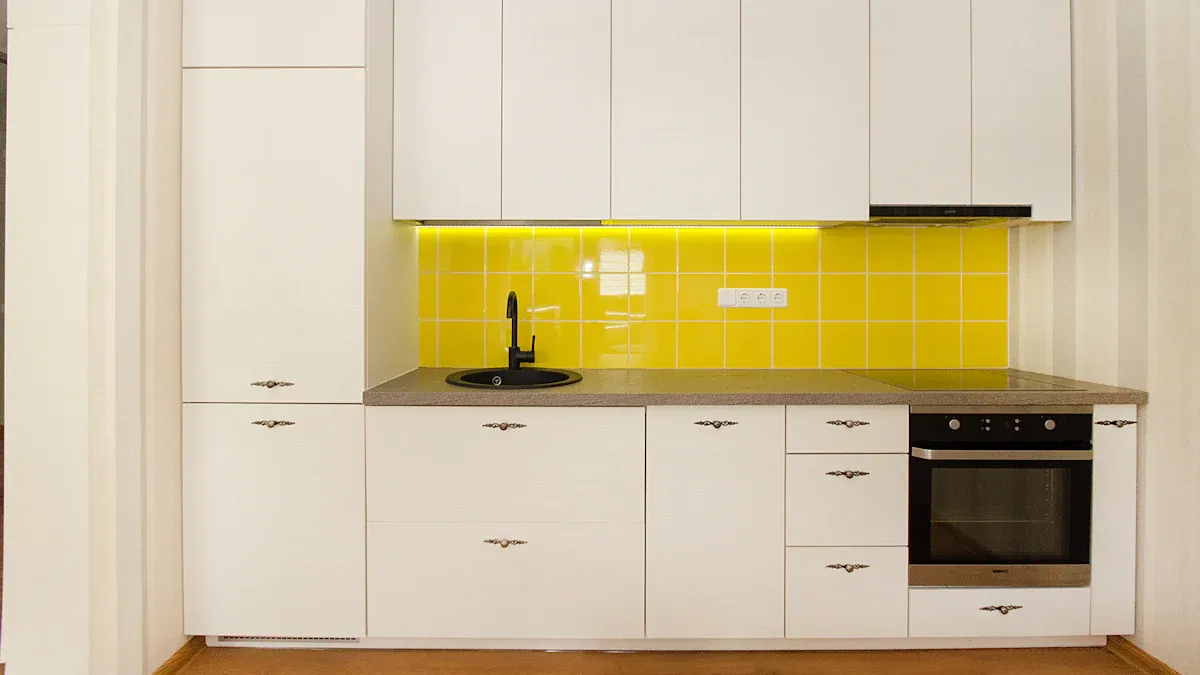
Cabinet knobs offer an excellent opportunity to introduce vibrant colors and striking contrasts into a design scheme. Designers often use them to create visual impact and define a room’s personality. This approach moves beyond subtle accents, making the hardware a focal point.
Introduce a Pop of Color with Cabinet Knobs
Introducing a pop of color through cabinet knobs instantly revitalizes a space. This strategy draws the eye and adds an unexpected element of design. It allows for creative expression without committing to large-scale color changes.
Bright Hues on Neutral Cabinets
Brightly colored knobs create a dynamic contrast against neutral cabinet finishes. For instance, matte black knobs offer a bold yet understated look. They create strong contrast against lighter cabinets such as white, gray, or cream. Matte black also adds depth to darker cabinets. Its non-reflective surface conveniently conceals fingerprints. Brushed gold or brass tones bring luxury and warmth. These warm metallics complement both light and dark cabinet colors, including navy blue, emerald green, and deep gray. Gunmetal or brushed bronze finishes provide an industrial, grounded aesthetic. Gunmetal, with its smoky gray tone, offers modern industrial chic. It contrasts well with white, light gray, and light wood. Brushed bronze provides a rustic yet sophisticated feel with warmer undertones. It complements darker wood tones, deep blues, and greens.
Contrasting Shades for Visual Interest
Intentional contrasting shades generate significant visual interest. This technique highlights the cabinetry and the hardware itself. It creates a curated and dynamic look. For example, oil-rubbed bronze hardware creates a dramatic, bold, and timeless contrast with Denim Blue cabinets. Matte black hardware strikes a strong contrast against Muskoka Trail cabinets. Designers also use mixed metals to add visual interest. This trend involves intentionally combining different metal finishes. It creates a curated, dynamic, and layered look in the kitchen design. Brushed brass or matte gold pairs well with warmer neutrals like White Sand and Saddle.
Create Monochromatic Depth with Cabinet Knobs
Monochromatic schemes use variations of a single color to create depth and sophistication. Cabinet knobs in similar shades contribute to this layered effect. This approach offers a subtle yet impactful design statement.
Tonal Variations for Subtle Sophistication
Choosing cabinet knobs in slightly different tones of the same color adds subtle sophistication. This creates a harmonious and refined look. The slight variations prevent the design from appearing flat. They introduce visual texture without overwhelming the space.
Textured Knobs in Similar Shades
Textured knobs in similar shades enhance monochromatic designs. The texture provides tactile interest and visual depth. This allows the hardware to stand out subtly within the color scheme. It adds another layer of detail to the overall aesthetic.
Incorporate Mixed Metals for Sophisticated Layers with Cabinet Knobs and Handles
Mixing metals in hardware creates a sophisticated, layered look. This approach adds depth and visual interest to any design. It moves beyond traditional uniform metal schemes, offering a more curated aesthetic. Designers often use this technique to personalize spaces.
Pair Warm and Cool Tones in Cabinet Knobs
Combining warm and cool metal tones adds thoughtful contrast to a design. This strategy creates a dynamic and balanced appearance. Experts recommend not shying away from mixing these different temperatures. Any metals can be mixed carefully for optimal results.
Brass with Chrome Combinations
Brass offers a warm, inviting glow. Chrome provides a sleek, cool, and reflective finish. Combining these two metals creates a striking visual interplay. For example, designers often pair warm tones like brass or gold with cooler metals such as chrome and silver. This combination adds depth and thoughtful contrast. Brushed nickel, a neutral with subtle warm undertones, pairs beautifully with champagne gold for cabinet knobs. This creates a subtle contrast. Polished nickel, a silvery color with warm undertones, can combine with black accents for cabinet hardware. Black, a neutral metal, mixes perfectly with the warm nickel to anchor the room.
Copper with Matte Black Accents
Copper brings a rich, earthy warmth to a space. Matte black accents provide a modern, grounding contrast. This pairing highlights both materials’ unique characteristics. The deep, non-reflective quality of matte black enhances copper’s lustrous sheen. This combination works well in various design styles, from industrial to contemporary.
Use Different Finishes for Cabinet Knobs
Varying finishes on cabinet knobs introduces texture and complexity. This technique makes a design dynamic and well-thought-out. It adds another layer of visual interest beyond just color or material.
Polished with Brushed Textures
Combining polished finishes with matte or brushed finishes introduces interest and layers. This makes the design dynamic and well-thought-out. Brushed nickel offers a softer, matte texture. Chrome provides a high shine. This combination works well in modern and minimalist kitchens. Both are cool-toned metals. Smooth, polished chrome offers a sleek, modern feel. Other textures can add interest without overwhelming the senses, even in similar metal tones. This layering of textures adds complexity.
Antiqued with Modern Sheen
Antiqued finishes provide a sense of history and character. Modern sheen finishes offer a contemporary, sleek look. Pairing these contrasting finishes creates a unique aesthetic. This approach balances warm metals like antique brass or oil-rubbed bronze with cool metals such as polished nickel or chrome. This creates depth and contrast without clashing. Designers establish a dominant finish for most hardware pieces to ensure unity. Then, they introduce one or two accent finishes sparingly for added interest. Black hardware acts as a neutral element. It complements almost any other finish, grounding mixed-metal schemes and adding sophistication.
Go Oversized for Dramatic Effect with Your Cabinet Knobs
Oversized cabinet knobs create a powerful visual statement. They immediately draw attention and infuse a space with personality. This bold choice transforms ordinary cabinetry into a focal point, adding a touch of unexpected drama. Designers often use large hardware to elevate the perceived value and style of furniture.
Choose Large-Scale Cabinet Knobs
Selecting large-scale cabinet knobs makes a significant design impact. These substantial pieces of hardware command attention. They provide a unique opportunity to express a distinct aesthetic.
Statement Pieces on Pantry Doors
Pantry doors offer an ideal canvas for statement-making hardware. A single, oversized knob can transform a plain pantry door into an architectural feature. This choice adds character and a sense of grandeur to the kitchen. It also provides a comfortable grip for frequently used doors.
Bold Hardware for Built-in Units
Built-in units, such as bookshelves or entertainment centers, benefit from bold hardware. Large knobs or pulls on these pieces anchor the design. They give built-ins a custom, furniture-like appearance. This approach enhances the overall sophistication of the room.
Balance with Cabinet Size for Cabinet Knobs
While oversized knobs create drama, maintaining balance with cabinet size remains crucial. Proportionate choices ensure visual harmony throughout the space. Careful consideration prevents the hardware from overwhelming the cabinetry.
Proportionate Choices for Visual Harmony
Knobs should always be appropriately sized for the cabinet door or drawer. A small knob on a wide drawer or a large knob on a small door can look disproportionate. For tall, narrow doors or pantry cabinets, designers consider using taller knobs or pulls. This complements the door’s height and maintains visual balance. For extra-wide drawers, typically those 24 inches or more, installing two knobs or pulls is advisable. This provides better balance and appearance. To place them, divide the drawer front into three equal sections. Center one piece of hardware in the left section and the other in the right section. To avoid hardware that is too small or too large, use elevation drawings. These help compare and assess proportionality before installation.
Unexpectedly Large for a Playful Touch
Sometimes, an unexpectedly large knob can introduce a playful or whimsical touch. This intentional disproportion creates a unique design element. It adds personality and a sense of fun to the space. However, even with a playful approach, designers still ensure the hardware functions well and does not impede cabinet use.
Experiment with Asymmetrical Placement of Cabinet Knobs
Designers often challenge traditional symmetry in cabinet hardware. They use asymmetrical placement to create a dynamic and unexpected aesthetic. This approach adds a contemporary edge to any space. It allows for greater creative expression and personalization.
Offset Cabinet Knobs for Modern Flair
Offsetting cabinet knobs immediately introduces a modern flair. This technique moves beyond conventional centered placements. It gives cabinetry a fresh, updated look.
Non-Traditional Positioning on Doors
Placing cabinet knobs in non-traditional positions on doors creates visual intrigue. Instead of the usual corner placement, designers might position a knob higher or lower. They might even place it slightly off-center. This subtle shift draws the eye and makes the hardware a deliberate design element. It transforms a standard cabinet door into a piece of art.
Varied Heights on Drawer Fronts
Varying the heights of knobs on drawer fronts adds an element of playful sophistication. Instead of aligning all knobs perfectly, designers might stagger them. One drawer might feature a knob placed centrally, while the one below has it slightly to the left. This intentional irregularity breaks monotony. It gives the furniture a custom, handcrafted feel.
Create Unique Visual Rhythms with Cabinet Knobs
Asymmetrical placement helps designers establish unique visual rhythms within a room. This method guides the eye across the cabinetry in an unconventional pattern. It adds an artistic dimension to the space.
Intentional Irregularity for Artistic Appeal
Intentional irregularity elevates cabinet hardware to an artistic statement. Designers deliberately choose not to follow strict rules of symmetry. They arrange knobs in a way that feels organic and visually interesting. This approach makes each cabinet or drawer front a unique composition. It reflects a bold design sensibility.
Breaking Traditional Design Rules
Breaking traditional design rules with cabinet knobs demonstrates confidence and creativity. While symmetry offers balance, asymmetry offers excitement. It challenges expectations and creates memorable interiors. This method allows homeowners to express their individuality. It transforms functional hardware into a key design feature.
Extend Cabinet Knobs and Handles Use Beyond Cabinets
Cabinet knobs offer versatility beyond their traditional placement on kitchen or bathroom cabinetry. Designers often repurpose these small but impactful hardware pieces to enhance various elements throughout a home. This creative approach maximizes their aesthetic potential, transforming ordinary items into distinctive design features.
Upgrade Furniture Pieces with Unique Cabinet Knobs
Unique cabinet knobs provide an excellent opportunity to refresh and personalize existing furniture. This simple upgrade can dramatically alter a piece’s character, giving it a custom, high-end appearance.
Dresser Drawers and Nightstands
Dresser drawers and nightstands are prime candidates for a hardware facelift. Designers can elevate these pieces with unique knobs, such as ceramic or glass for a vintage look. Alternatively, sleek brass knobs offer a modern touch. Nightstands, in particular, are ideal for experimenting with whimsical or minimalist knobs, allowing them to match diverse bedroom styles. This small change makes a significant impact on the furniture’s overall aesthetic.
Bookcases and Sideboards
Bookcases and sideboards also benefit from updated hardware. Stylish knobs, ranging from rustic wooden designs to sleek metal options, can set the tone for a home’s interior. Console units, often the first piece of furniture guests see, gain enhanced character with carefully chosen knobs. This thoughtful detail contributes to the overall design narrative of a space.
Create Decorative Wall Hooks with Cabinet Knobs
Beyond furniture, cabinet knobs find new life as decorative and functional wall hooks. This innovative use adds personality and utility to various areas of the home.
Entryway Organizers with Unique Knobs
Entryways often require practical organization solutions. Designers create charming entryway organizers by mounting unique knobs directly onto a wall or a decorative board. These knobs serve as stylish hooks for coats, keys, or bags. They transform a functional necessity into an artistic display, welcoming guests with a touch of personalized flair.
Bathroom Towel Holders
In bathrooms, cabinet knobs offer an elegant alternative to standard towel racks. Mounting a series of decorative knobs provides individual hooks for towels, robes, or even small baskets. This method introduces a bespoke element to the bathroom decor. It combines practicality with sophisticated design, enhancing the room’s aesthetic appeal.
Embrace Unique Materials and Textures for Cabinet Knobs
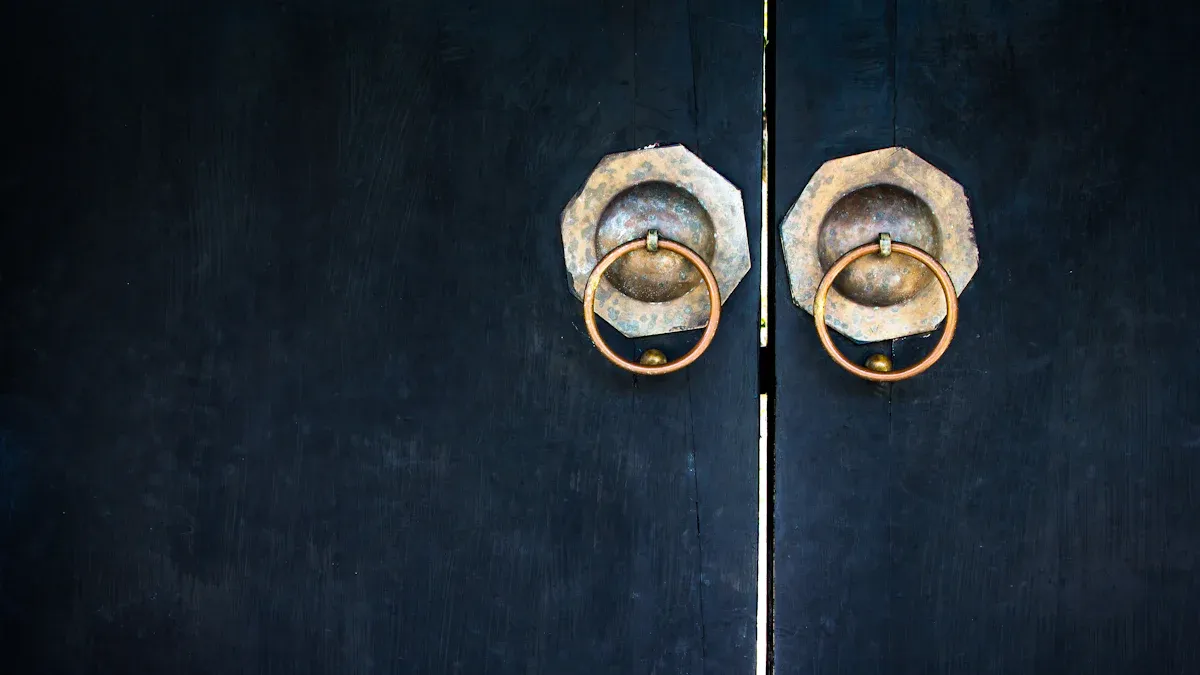
Designers often select cabinet hardware for its material and texture. These elements significantly influence a room’s overall feel. Choosing unique materials transforms ordinary cabinetry into a focal point. It adds depth and character to the design.
Natural Elements for Organic Feel in Cabinet Knobs
Natural elements bring an organic and grounding presence to interior spaces. They connect the home with the natural world. These materials offer unique variations in color and pattern.
Stone, Wood, and Bone Knobs
Stone, wood, and bone knobs introduce earthy textures and natural beauty. Stone knobs, crafted from materials like agate, quartz, marble, and granite, offer unique and luxurious appeal. These materials are inherently durable. They withstand daily use without losing their attractiveness. Each stone knob possesses distinct patterns, colors, and textures, making them functional art pieces. For instance, a colorful agate knob adds opulence to a closet. A polished marble knob brings natural beauty and refinement to a minimalist kitchen. HauteNature leads the stone knob market, known for its dedication to sustainability and modern style. Their knobs are made from recycled or ethically sourced materials, emphasizing organic forms and textures. Rocky Mountain Hardware also offers stone knobs with a rustic appeal. They make these from solid materials like bronze and stone, ensuring strength and longevity. Other popular natural materials include cast iron and ceramic, which also contribute to an organic feel.
Leather Wrapped or Woven Designs
Leather-wrapped or woven designs offer a tactile and sophisticated touch. Leather provides warmth and a luxurious feel, aging beautifully over time. Woven materials, such as rattan or jute, add texture and a relaxed, bohemian vibe. These options introduce a soft contrast to hard cabinet surfaces.
Artisanal and Handcrafted Cabinet Knobs and Handles
Artisanal and handcrafted cabinet knobs offer unparalleled uniqueness. Each piece tells a story of craftsmanship and artistic vision. These items elevate a design beyond mass-produced options.
Ceramic, Glass, and Resin Creations
Ceramic, glass, and resin creations showcase incredible artistry. Original handcrafted ceramic knobs are often made on a potter’s wheel and come in various designs and colors. Some feature recycled glass inlay, making each piece truly unique. Glass knobs might incorporate a mixture of bottle glass, beach glass, and Roman glass. Resin allows for endless possibilities in color, transparency, and embedded elements. These materials provide vibrant colors and intricate patterns.
Hand-Painted or Sculpted Details
Hand-painted or sculpted details transform cabinet knobs into miniature works of art. Artists apply intricate patterns or scenes directly onto the knob surface. Sculpted knobs feature three-dimensional designs, adding tactile interest. These details personalize a space. They reflect the homeowner’s unique taste and appreciation for fine craftsmanship. Thoughtful selection of Cabinet Knobs and Handles creates a significant design statement.
Group Cabinet Knobs for a Custom Look
Designers often group cabinet knobs to achieve a custom, distinctive appearance. This technique moves beyond single hardware placements. It transforms ordinary cabinetry into a curated design element. Grouping knobs creates visual interest and personalizes a space.
Create a Focal Point with Grouped Cabinet Knobs
Grouping cabinet knobs strategically draws the eye. This method establishes a clear focal point within a room. It highlights specific cabinetry or furniture pieces.
Multiple Knobs on a Single Wide Drawer
Wide drawers benefit significantly from multiple knobs. For drawers exceeding 24 inches in width, installing two knobs enhances both ease of opening and visual appeal. This approach provides better balance. For extra-wide drawers, typically 30 or 36 inches, two pulls are advisable. Designers apply the 1:3 rule for placement. They divide the drawer’s width into thirds. Then, they center each pull on the lines marking the outer thirds. This ensures proper spacing and a harmonious look.
Decorative Clusters on Cabinet Panels
Cabinet panels offer another opportunity for grouped hardware. Designers can create decorative clusters on these surfaces. For paneled cabinets, they divide the cabinet’s width into three equal sections. They then place the knobs within the middle third. This arrangement forms an intentional design feature. It adds texture and depth to the cabinet front.
Design a Pattern with Cabinet Knobs
Cabinet knobs can form deliberate patterns. This technique introduces visual rhythm and movement into a design. It prevents a room from feeling static.
Geometric Arrangements with Small Knobs
Small knobs are ideal for geometric arrangements. Designers use hardware shapes that amplify the existing lines and geometry of cabinetry. For instance, square or rectangular hardware emphasizes clean lines. Curved hardware can introduce contrast in minimalist designs. Maintaining consistent spacing between elements is crucial. This creates a cohesive and visually appealing pattern.
Repeating Motifs for Visual Interest
Repeating motifs with cabinet knobs introduce dynamic rhythm. This rhythm guides the eye through repetition, alternation, or progression of shapes, colors, and textures. Repetition involves reusing the same element. Alternation means alternating between different elements. Progression shows a gradual change of an element. Designers strategically repeat specific hardware shapes to create this rhythm. They can combine these with other shapes for added character. Mixing knobs and pulls also introduces visual interest and variety. For example, use knobs on upper cabinets and pulls on lower cabinets or drawers. When mixing different hardware shapes, maintain a consistent material or finish. This ensures a cohesive look.
Use Themed Cabinet Knobs to Tell a Story
Themed cabinet knobs offer a unique opportunity to infuse personality into a space. They allow homeowners to tell a story through their decor choices. These small details can reflect personal interests or enhance a room’s specific aesthetic. Thoughtful selection of themed hardware transforms ordinary cabinets into narrative elements.
Reflect Personal Interests with Themed Cabinet Knobs
Cabinet knobs can serve as miniature expressions of personal passions. Designers often use them to highlight a homeowner’s hobbies or travel experiences. This approach creates a truly personalized environment.
Nature-Inspired or Nautical Themes
Nature-inspired knobs bring the outdoors inside. Options include leaf, bird, or animal shapes. These choices appeal to nature enthusiasts. Nautical themes feature anchors, shells, or ship wheels. They suit those who love the ocean or coastal living. These knobs create a cohesive theme throughout a room.
Hobby-Related or Travel Souvenir Styles
Hobby-related knobs celebrate individual interests. A music lover might choose knobs shaped like musical notes. A sports fan could select knobs resembling miniature sports equipment. Travel souvenir styles evoke memories of favorite destinations. These might include knobs with global patterns or iconic landmarks. Such hardware adds a personal touch and sparks conversation.
Enhance Room Aesthetics with Themed Cabinet Knobs
Themed cabinet knobs significantly enhance a room’s overall aesthetic. They contribute to a specific mood or style. Designers carefully select these knobs to complement the room’s purpose and existing decor.
Whimsical for a Child’s Room
Whimsical knobs are perfect for a child’s room or nursery. They add a playful and imaginative touch. Seashore Ceramic Cabinet Knobs, for example, come in starfish, snail, or seashell designs. They add a “burst of fun” and a “nautical touch.” These knobs suit a child’s room or a bathroom in a coastal property. Crafty Wooden Star Knobs create a “beautiful, whimsical look.” They are ideal for a nursery or child’s bedroom. Mixing and matching colors like Crafty Red, Blue, or White enhances their appeal. An Owl Cabinet Knob in Antique Iron offers a “whimsical and defining aspect.” It fits a woodland-themed room or a child’s bedroom. This knob also complements period, traditional, and rustic decor.
Elegant for a Formal Dining Area
Elegant knobs elevate the sophistication of a formal dining area. They contribute to a refined and luxurious atmosphere. A Victorian Style Cabinet Knob in Antique Iron features “classic ornate detailing.” Its antique iron finish provides an elegant touch. This knob complements both traditional and modern Victorian styles. It creates a sophisticated aesthetic. Such hardware choices reinforce the room’s formal purpose. They add a touch of timeless charm.
Illuminate with Light-Reflecting Cabinet Knobs and Handles
Designers often use light-reflecting cabinet knobs to brighten a space. These hardware choices add visual interest and enhance a room’s overall luminosity. They transform ordinary cabinets into sparkling focal points. This approach creates a sense of openness and sophistication.
Choose Crystal or Glass Cabinet Knobs
Crystal and glass cabinet knobs offer a timeless elegance. They capture and refract light beautifully. These materials bring a luxurious touch to any interior design.
Catching Light for Sparkle
Crystal and glass knobs are excellent at catching light. Their faceted surfaces create dazzling sparkles. This effect adds a dynamic element to cabinetry. The light interaction draws attention to the hardware.
Adding a Touch of Glamour
These knobs instantly add a touch of glamour. Their translucent quality provides a delicate yet striking appearance. They elevate the aesthetic of both modern and traditional spaces. To maintain their brilliance, use mild cleaners specifically designed for glass or crystal surfaces. A solution of warm water and distilled white vinegar works well. Avoid abrasive cleaners or harsh chemicals. Always use a soft, lint-free cloth to wipe away dirt and smudges. Regular dusting with a soft, dry cloth prevents debris accumulation. Handle crystal knobs with care. Avoid excessive pressure during cleaning. Prevent heavy objects from knocking into them to prevent chipping or breaking. Always consult the manufacturer’s specific cleaning guidelines. Perform periodic cleaning with the recommended solution in addition to regular dusting.
Incorporate Mirrored or Metallic Finish Cabinet Knobs
Mirrored and metallic finish cabinet knobs introduce a sleek, contemporary feel. They reflect their surroundings, adding depth and brightness to a room. These choices are perfect for achieving a modern aesthetic.
Reflecting Surroundings for Depth
Mirrored and metallic knobs create an illusion of depth. They reflect the colors and textures of the room. This effect makes the space feel larger and more integrated. It adds a sophisticated layer to the design.
Creating a Brighter, More Open Feel
These knobs significantly contribute to a brighter, more open feel. Polished chrome, a type of metallic finish, has a bright and shiny appearance. It effectively reflects light. This contributes to a sleek, modern aesthetic. Mirrored glam knobs feature a reflective mirrored face. This face captures and reflects light from various angles. It contributes to a brighter feel in the room. These reflective qualities enhance natural and artificial light. They make the room appear more expansive. Thoughtful selection of Cabinet Knobs and Handles can truly transform a space.
Unique cabinet knobs possess transformative power, personalizing home decor. They allow individuals to express their unique style. Readers should experiment with different styles and placements. This approach helps them discover their individuality. Thoughtful selection of cabinet knobs creates a significant design statement. These small details elevate any space, making it truly distinctive.
FAQ
How do professionals choose the correct size for cabinet knobs?
Professionals select knob sizes proportionate to the cabinet door or drawer. They consider the furniture’s scale. For instance, a small knob on a wide drawer appears disproportionate. They often use elevation drawings to assess proportionality before installation.
Can designers mix different metal finishes for cabinet knobs?
Yes, designers frequently mix metal finishes. This creates a layered, sophisticated look. They often pair warm tones like brass with cooler metals such as chrome. This approach adds depth and thoughtful contrast to the design.
What materials do experts recommend for durable cabinet knobs?
Experts recommend materialslike stainless steel, Zinc Alloy, aluminum, and brass for durability. Stone, wood, and bone also offer robust, natural options. These materials ensure longevity and withstand daily use effectively.
How do professionals clean and maintain cabinet knobs?
Professionals use mild cleaners specific to the knob’s material. For crystal, they use warm water and distilled white vinegar. They avoid abrasive cleaners. Regular dusting with a soft, dry cloth prevents debris accumulation.
Is it acceptable to use both knobs and pulls in a single kitchen design?
Yes, it is acceptable and often encouraged. Mixing knobs and pulls introduces visual interest and variety. Many designers use knobs on upper cabinets and pulls on lower cabinets or drawers for a balanced look.
How can cabinet knobs become a focal point in a room?
Cabinet knobs become a focal point through bold choices. Oversized knobs, unique materials, or vibrant colors draw attention. Grouping multiple knobs on a wide drawer also creates a strong visual statement.
Where should one place cabinet knobs on doors and drawers?
For doors, professionals typically place knobs in the corner opposite the hinge. For drawers, they center the knob horizontally. On wide drawers, they often use two knobs, centering each within its respective third of the drawer front.