
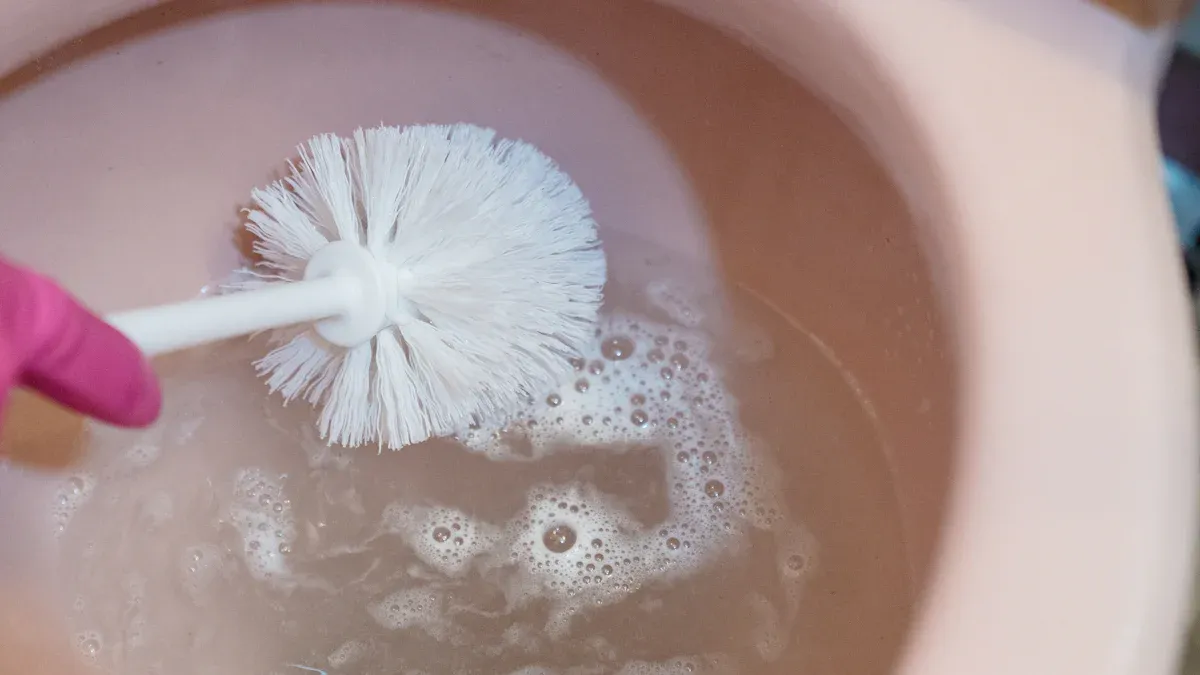
A toilet brush holder serves a vital function in maintaining bathroom hygiene. This essential accessory provides a designated space for the toilet bowl brush and holder, keeping it contained and organized. By reducing contact with surfaces, the holder minimizes the risk of bacterial contamination. With options like a wall mounted toilet brush holder or a freestanding toilet brush holder, users can select a design that best fits their bathroom layout. A well-maintained bathroom cleaning brush set not only enhances cleanliness but also contributes to a healthier environment.
Key Takeaways
- A toilet brush holder keeps the brush organized and reduces bacterial contamination.
- Choose holders with ventilation features to promote quick drying and minimize odors.
- Opt for non-porous materials like stainless steel or glazed ceramic for better hygiene.
- Regularly clean the toilet brush holder to prevent harmful bacteria from growing.
- Inspect the holder for signs of wear, such as cracks or discoloration, to maintain hygiene.
- Use antimicrobial-coated brushes to significantly reduce bacterial load.
- Select a holder that fits your bathroom space and complements its style.
- Replace the toilet brush every few months or after illness to ensure cleanliness.
Importance of a Toilet Brush Holder

Design and Functionality
A well-designed toilet brush holder serves multiple purposes beyond mere storage. Its primary function is to keep the toilet brush organized and accessible while minimizing the risk of contamination. Key design features enhance both functionality and hygiene:
| Design Feature | Hygiene Benefit |
|---|---|
| Ventilation and Drainage Systems | Promote faster drying of the brush head, reducing bacterial buildup. |
| Removable Inner Cup | Allows easy water disposal and disinfection cleaning. |
| Antibacterial Coating or Silicone Bristles | Prevent bacteria adhesion and maintain hygiene. |
These features contribute significantly to maintaining a clean bathroom environment. For instance, the Balance Brush’s design allows it to drip-dry over the toilet bowl, preventing wastewater accumulation and maintaining cleanliness. Such thoughtful design elements ensure that the toilet brush holder not only serves its purpose but also actively contributes to hygiene.
Hygiene Benefits
The hygiene benefits of using a toilet brush holder are substantial. Properly designed holders prevent cross-contamination, which can occur when brushes come into contact with unsanitary surfaces. Dr. Lena Torres, an Environmental Health Specialist, emphasizes that poorly ventilated brush holders contribute to persistent odors and cross-contamination. Studies indicate that damp environments can harbor harmful microbes like Escherichia coli and Staphylococcus within 24–48 hours.
Moreover, the use of toilet brush holders is crucial in public restrooms, where hygiene standards are often compromised. Effective cleaning tools, such as toilet brush holders, help maintain cleanliness and prevent the spread of infectious diseases. This is particularly important in high-traffic areas, where the risk of contamination is elevated.
Materials Matter in Toilet Brush Holders

Non-porous vs. Porous Materials
The choice of materials in toilet brush holders significantly impacts hygiene and maintenance. Non-porous materials, such as stainless steel and glazed ceramic, offer superior hygiene benefits compared to porous options. Non-porous surfaces do not absorb moisture, making them less likely to harbor bacteria. In contrast, porous materials can trap water and contaminants, creating an environment conducive to bacterial growth.
| Material | Hygiene Strength | Maintenance Drawback |
|---|---|---|
| 304 Stainless Steel | Non-porous, easy to disinfect | Requires weekly vinegar wipe-down in hard-water areas |
| Glazed Ceramic | Impervious surface; no absorption | Chips on impact; limited shape flexibility |
| Matte-Finish Solid Acrylic | Seamless, non-porous | Scratches with abrasive cleaners; dulls under repeated alcohol-based wipes |
Choosing a toilet brush holder made from non-porous materials can significantly reduce the risk of bacterial retention. For instance, stainless steel is rust-resistant and long-lasting, while ceramic resists mold and mildew. These properties make them ideal choices for maintaining a clean bathroom environment.
Antimicrobial Coatings
Antimicrobial coatings enhance the effectiveness of toilet brush holders by actively preventing bacterial growth. These coatings work by integrating agents into the material, which inhibit the proliferation of harmful microbes. Research indicates that antimicrobial brushes with integrated agents can achieve over a 99.9% reduction in bacterial load within 24 hours, as verified by ISO 22196 testing. This technology maintains its efficacy even after 500 cleaning cycles, unlike surface coatings that may wear off after just a few uses.
The need for effective antimicrobial solutions is underscored by the fact that standard toilet brush bristles can harbor harmful bacteria like E. coli within 48 hours. By opting for toilet brush holders with antimicrobial properties, users can significantly enhance their bathroom hygiene.
Proper Cleaning Techniques for Toilet Brush Holders
Cleaning Frequency
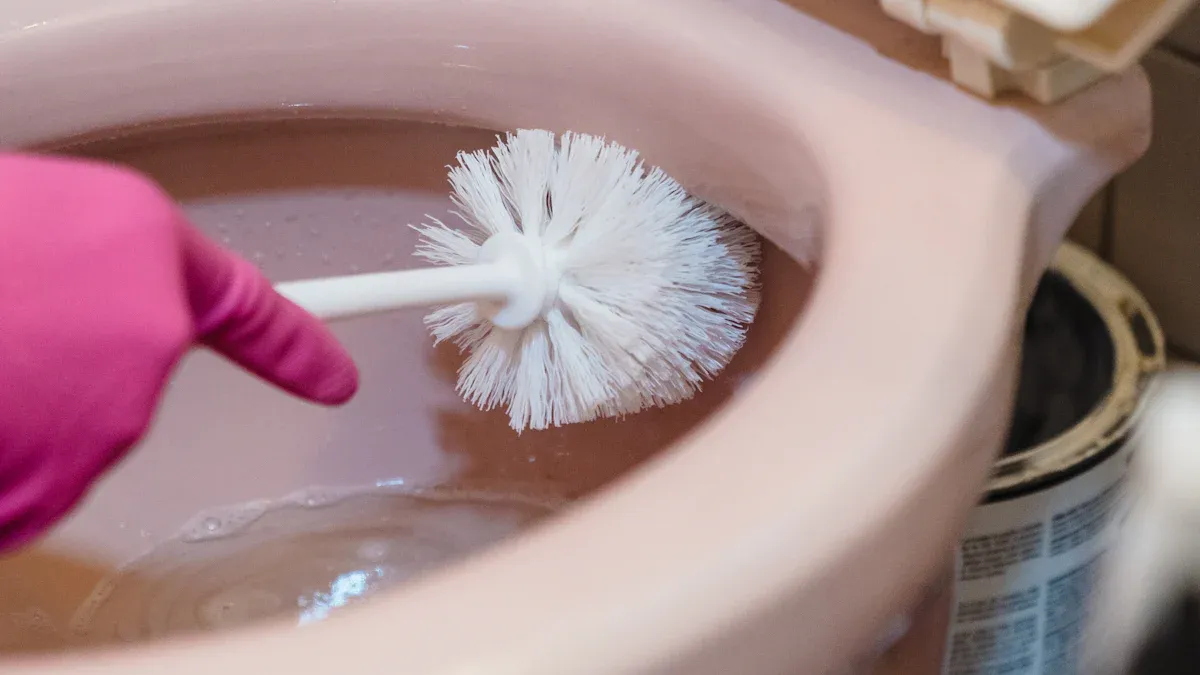
Maintaining a clean toilet brush holder is essential for minimizing bacterial growth. Regular cleaning ensures that harmful microbes do not proliferate. Here are some recommended cleaning frequencies:
- Rinse and drip-dry the brush after each use.
- Deep clean the brush once a month.
- Disinfect the holder every three months.
In high-usage bathrooms, it is advisable to clean both the brush and holder weekly. For low-traffic settings, a biweekly or monthly cleaning schedule suffices. Adhering to these guidelines helps maintain a hygienic environment and reduces the risk of contamination.
Recommended Cleaning Products
Selecting the right cleaning products is crucial for effectively disinfecting toilet brush holders. Here are some effective options:
- Create a bleach solution in a spray bottle for thorough disinfection.
- Use commercial disinfectant sprays, such as Lysol or Clorox bathroom cleaner.
Additionally, consider using products designed specifically for toilet cleaning:
- Clorox ToiletWand, which replaces traditional toilet brushes.
- Disposable scrubbing pads preloaded with Clorox cleaner.
- These products kill 99.9% of viruses and bacteria, ensuring a clean and safe bathroom environment.
However, it is important to avoid certain cleaning products that may damage the materials of the toilet brush holder. Harsh or corrosive cleaners, such as drain cleaners containing sodium hydroxide or sulfuric acid, can corrode materials and potentially warp or crack plumbing. Always opt for gentle yet effective cleaning solutions to preserve the integrity of your toilet brush holder.
By following these cleaning techniques and using appropriate products, individuals can ensure that their toilet brush holder remains a hygienic accessory in their bathroom.
Maintenance Tips for Toilet Brush Holders

Regular Inspections
Regular inspections of toilet brush holders are essential for maintaining hygiene and ensuring safety. Homeowners should adopt a systematic approach to check their toilet brush holders. Here are some best practices for effective inspections:
- Rinse the toilet brush after each use and allow it to dry completely.
- Clean the brush holder on a weekly basis to prevent bacterial buildup.
- Replace worn-out brushes regularly to maintain hygiene.
By following these practices, individuals can significantly reduce the risk of contamination. A proactive approach to maintenance ensures that the toilet brush holder remains a hygienic accessory in the bathroom.
Signs of Wear and Tear
Recognizing the signs of wear and tear in toilet brush holders is crucial for preventing increased bacterial growth. Homeowners should be vigilant for the following indicators:
- Bacterial Buildup: Not cleaning the toilet brush after each use can lead to harmful bacteria accumulating on the brush and holder.
- Deterioration of Material: Cracks or chips in the holder can trap moisture, creating an environment conducive to bacterial growth.
- Discoloration: Stains or discoloration on the holder may indicate the presence of biofilm, which can harbor bacteria.
- Odors: Unpleasant smells emanating from the holder often signal that it requires immediate cleaning or replacement.
Similar issues arise with other household items, such as kitchen sponges and toothbrushes, if not maintained properly. It is advisable to replace the toilet brush after illness to prevent the spread of bacteria. Additionally, toilet brush holders can collect biofilm-laden rinse water, serving as secondary reservoirs for bacteria. Regular cleaning and timely replacement of holders are essential for maintaining bathroom hygiene.
By conducting regular inspections and being aware of these signs, individuals can ensure their toilet brush holders remain effective in preventing bacterial contamination. This proactive maintenance approach not only enhances hygiene but also contributes to a cleaner and healthier bathroom environment.
Impact of Regular Maintenance on Toilet Brush Holders

Reducing Bacterial Growth
Regular maintenance of a toilet brush holder plays a crucial role in minimizing bacterial growth. When individuals neglect to clean their toilet brush holders, they create an environment conducive to microbial proliferation. Bacteria thrive in damp, unclean spaces, making it essential to implement a consistent cleaning routine.
To effectively reduce bacterial growth, consider the following practices:
- Rinse the Brush After Each Use: This simple step prevents bacteria from accumulating on the brush.
- Deep Clean Monthly: A thorough cleaning with disinfectants helps eliminate any lingering microbes.
- Inspect for Damage: Regularly check for cracks or chips in the holder that can trap moisture and bacteria.
By adhering to these practices, individuals can significantly lower the risk of harmful bacteria spreading throughout the bathroom. A clean toilet brush holder not only enhances hygiene but also contributes to a healthier living environment.
Enhancing Longevity of the Holder
In addition to reducing bacterial growth, regular maintenance extends the lifespan of the toilet brush holder. Over time, neglect can lead to wear and tear, which compromises both functionality and aesthetics.
Here are some tips to enhance the longevity of a toilet brush holder:
- Use Gentle Cleaning Products: Harsh chemicals can damage the material, leading to premature deterioration.
- Avoid Excessive Moisture: Ensure the holder remains dry to prevent mold and mildew growth.
- Store in a Suitable Location: Position the holder away from direct water exposure to minimize damage.
By following these maintenance tips, individuals can ensure their toilet brush holder remains in optimal condition. A well-maintained holder not only serves its purpose effectively but also adds to the overall cleanliness and organization of the bathroom.
Choosing the Right Toilet Brush Holder

Size and Compatibility
Selecting the right size and ensuring compatibility of a toilet brush holder is crucial for effective bathroom hygiene. A well-chosen holder fits seamlessly into the available space while accommodating the specific needs of the bathroom. Consider the following factors when making a selection:
- Size Compatibility: Ensure the holder fits well in the available space, with a recommended clearance of at least 6 inches (15 cm) from nearby fixtures.
- Mounting Style: Decide whether a wall-mounted or standing holder is more appropriate for your bathroom layout.
- Material Durability: Opt for materials like stainless steel or BPA-free plastic for longevity and hygiene.
- Ventilation: A well-ventilated design helps prevent odors and bacterial growth.
- Brush Compatibility: Check if the holder allows for replacement brush heads or if it uses proprietary systems.
Choosing a holder that promotes airflow can significantly reduce the risk of germ spread. For instance, holders designed with airflow features minimize moisture retention, thereby lowering the likelihood of bacterial growth.
| Holder Type | Airflow | Germ Spread Risk |
|---|---|---|
| With airflow | Yes | Low |
| Without airflow | No | High |
Style and Aesthetics
A toilet brush holder should not only serve a practical purpose but also enhance the overall aesthetics of the bathroom. Stylish designs can elevate the decor while maintaining hygiene. High-quality holders from brands like AXE BATHROOM AND MIRROR combine elegance with functionality. They provide dedicated storage for the toilet brush, preventing germs from spreading. Their sophisticated designs complement various bathroom styles, making them a practical choice.
Fab Bath Interiors emphasizes the importance of a high-quality toilet brush holder for maintaining both hygiene and aesthetics. Their holders keep brushes off the floor, preventing the spread of bacteria. Available in various styles, including wall-mounted and closed holders, these options enhance both functionality and visual appeal.
When selecting a toilet brush holder, consider materials such as stainless steel and ceramic. These materials offer durability and aesthetic charm, ensuring that the holder remains a stylish addition to the bathroom. A well-chosen holder not only keeps the brush organized but also contributes to a cleaner and more visually appealing space.
A toilet brush holder is essential for maintaining bathroom hygiene. It keeps the toilet brush contained, reducing the risk of bacterial spread. Neglecting cleanliness can lead to cross-contamination and unpleasant odors, which undermine overall bathroom cleanliness. Regular maintenance of these holders is crucial for hygiene and air quality.
To enhance cleaning performance, consider using a silicone brush set. This ensures thorough cleaning of stubborn stains and effectively reaches every corner of the toilet. By prioritizing the selection and upkeep of a toilet brush holder, individuals can significantly improve their bathroom environment.
FAQ
What is the primary function of a toilet brush holder?
A toilet brush holder provides a hygienic space for storing the toilet brush, minimizing contact with surfaces and reducing bacterial contamination.
How often should I clean my toilet brush holder?
Clean the toilet brush holder weekly to prevent bacterial buildup. Deep clean it monthly and disinfect every three months for optimal hygiene.
What materials are best for toilet brush holders?
Non-porous materials like stainless steel and glazed ceramic are ideal. They resist moisture absorption, making them less likely to harbor bacteria.
Can a toilet brush holder prevent odors?
Yes, a well-ventilated toilet brush holder promotes airflow, allowing the brush to dry quickly and reducing unpleasant odors.
How do antimicrobial coatings work?
Antimicrobial coatings inhibit bacterial growth by integrating agents into the material. This technology can significantly reduce bacterial load on the surface.
Is it necessary to replace the toilet brush regularly?
Yes, replacing the toilet brush every few months or after illness is essential to prevent the spread of bacteria and maintain hygiene.
What should I look for when choosing a toilet brush holder?
Consider size, material durability, ventilation features, and compatibility with your toilet brush. A stylish design can also enhance your bathroom decor.
How can I enhance the longevity of my toilet brush holder?
Use gentle cleaning products, avoid excessive moisture, and store the holder away from direct water exposure to prolong its lifespan.