
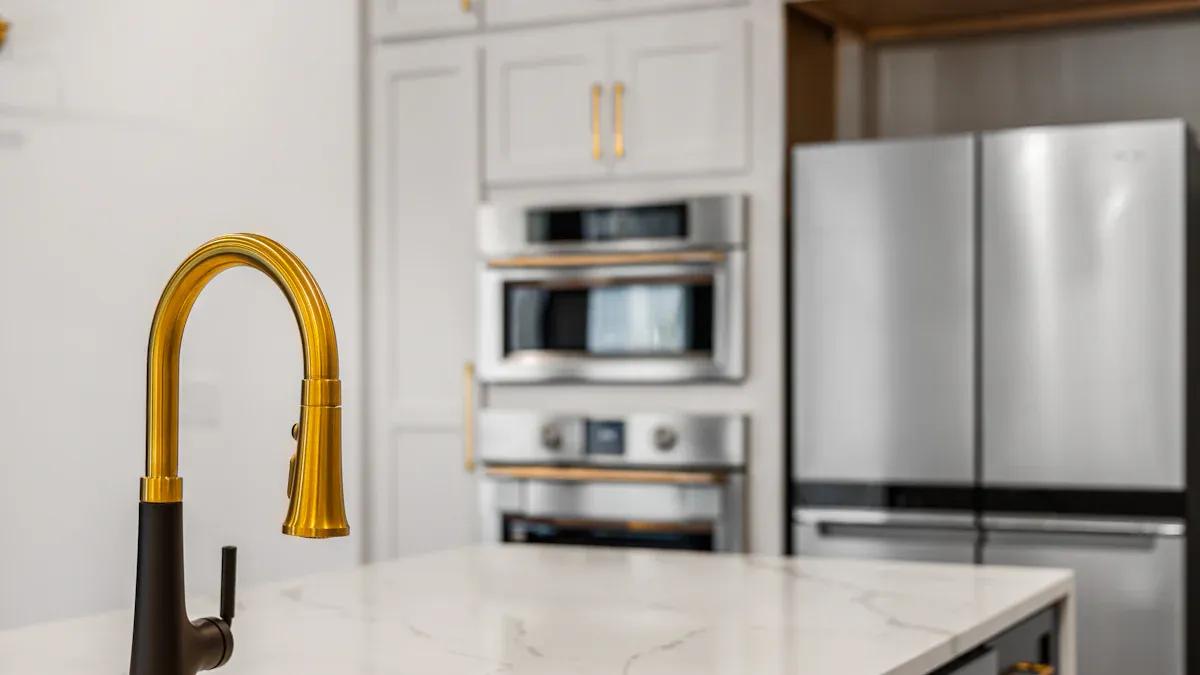
Choosing a quality Custom Monoblock Bathroom Faucet greatly enhances both functionality and aesthetic appeal. A well-crafted faucet not only improves water flow but also complements the overall design of the bathroom. Key features to consider include durability, ease of use, and suitable materials. For instance, a Lead-free Brass Monoblock Faucet ensures safety while delivering excellent performance. Ultimately, the right choice impacts the bathroom’s style, making it essential to consider personal preferences and the desired ambiance.
Key Takeaways
- Choose a faucet that fits your bathroom style. Consider finishes like chrome for modern looks or brass for traditional aesthetics.
- Understand the difference between single handle and double handle faucets. Single handles are easier to use, while double handles offer precise temperature control.
- Select durable materials like brass or stainless steel. These materials ensure longevity and resistance to corrosion.
- Consider the faucet’s flow rate. Aim for models that meet WaterSense standards to save water and reduce utility bills.
- Evaluate installation requirements. Ensure the faucet is compatible with your existing plumbing and fits your sink size.
- Look for user-friendly features like ergonomic lever designs. These enhance convenience and accessibility for all users.
- Regular maintenance is key. Clean your faucet with mild soap and inspect for leaks to keep it functioning well.
- Customization options allow you to tailor the faucet to your needs. Choose handle types and finishes that match your personal style.
Types of Monoblock Faucets
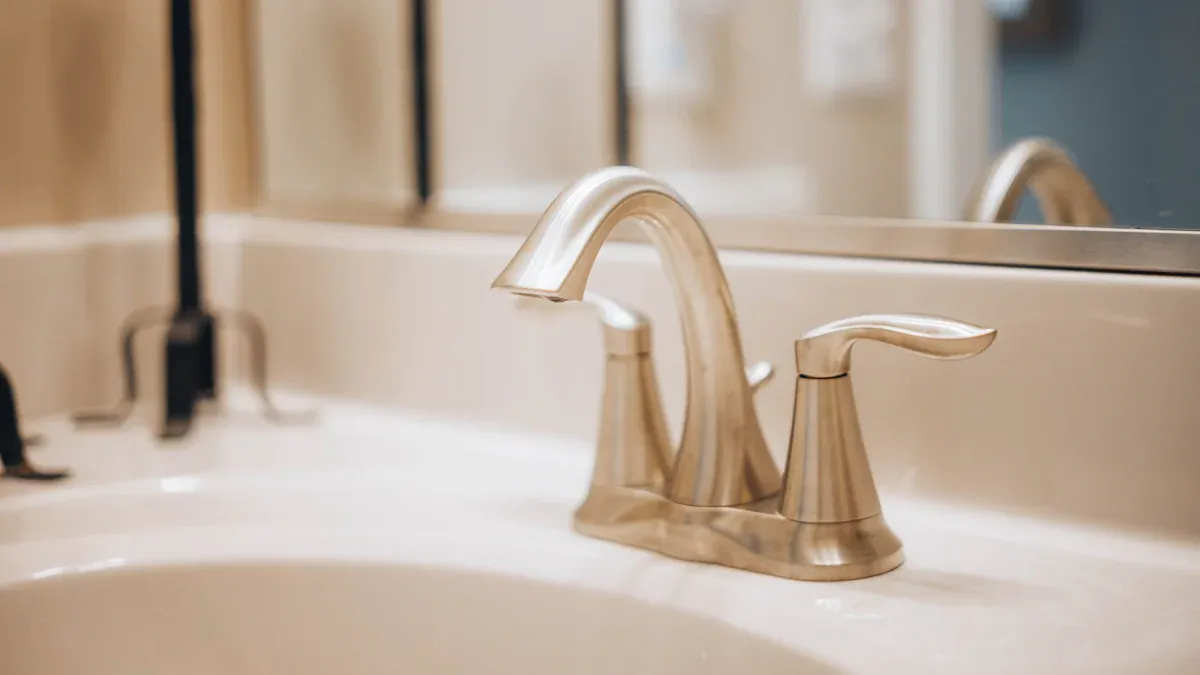
When selecting a monoblock bathroom faucet, understanding the different types available can significantly influence functionality and user experience. Here are some key distinctions to consider:
Single Handle vs. Double Handle
Monoblock faucets typically come in two configurations: single handle and double handle.
-
Single Handle Faucets: These faucets allow users to control both water temperature and flow with one lever. This design offers convenience, especially in smaller spaces, as it requires only one hole for installation. Users appreciate the ease of operation, making it a popular choice for busy households.
-
Double Handle Faucets: These faucets feature separate handles for hot and cold water. They provide precise temperature control, which some users prefer for specific tasks like shaving or washing delicate items. However, they require more installation space due to the additional holes needed.
Pull-Down vs. Pull-Out Sprayers
Another important distinction lies in the sprayer design.
-
Pull-Down Sprayers: These faucets feature a nozzle that pulls down from the spout. They offer a longer reach, making them ideal for rinsing larger sinks or filling pots. Users often find them versatile for various tasks, from washing hands to cleaning the sink.
-
Pull-Out Sprayers: Unlike pull-down models, pull-out sprayers extend horizontally from the faucet. They are beneficial for tight spaces where a downward motion may be restricted. Users appreciate their flexibility, especially in compact bathrooms.
Wall-Mounted vs. Deck-Mounted
The choice between wall-mounted and deck-mounted faucets also impacts installation and space usage.
| Faucet Type | Installation Requirements | Space Considerations |
|---|---|---|
| Wall-Mounted | Requires a wall-mounted valve connection, which can be costly and needs precise measurements for height and depth. | Frees up space on the vanity or sink, suitable for vessel sinks or inset basin sinks. |
| Deck-Mounted | Installed directly on the sink or countertop, easier installation if a single hole is available. | Takes up space on the sink or countertop, may require multiple holes for installation. |
Choosing the right type of monoblock faucet involves considering both functionality and the specific layout of the bathroom. Each option offers unique benefits that cater to different user preferences and space constraints.
Materials and Durability
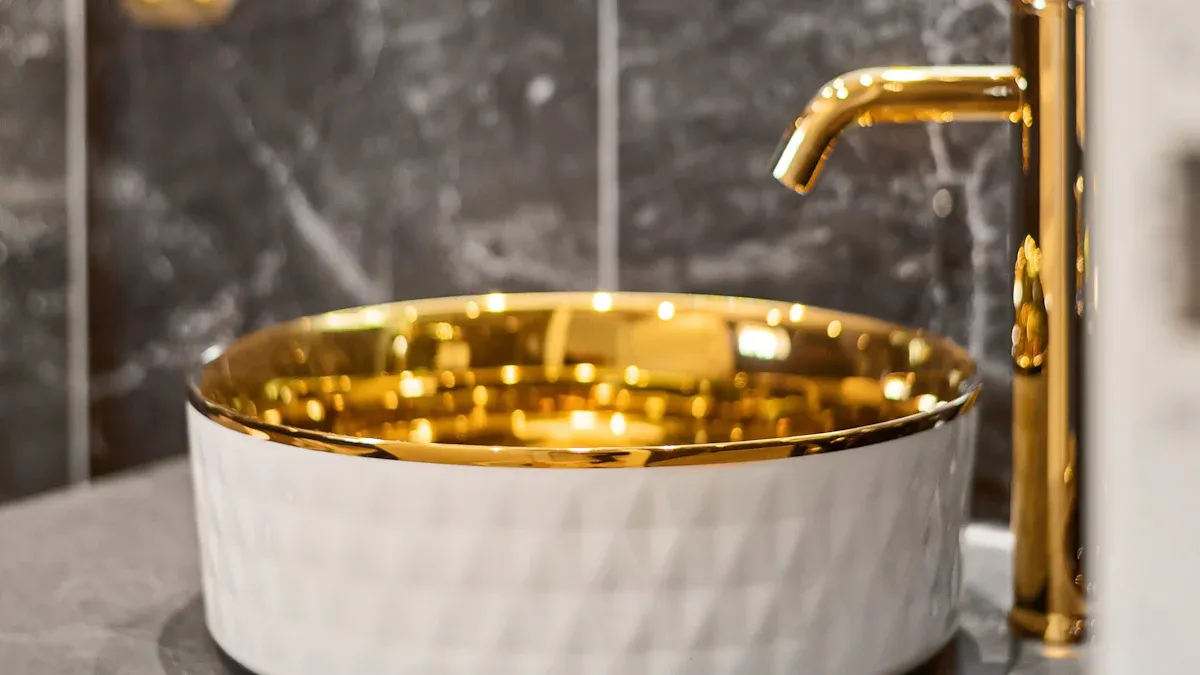
Selecting the right materials for a monoblock bathroom faucet is crucial for ensuring longevity and performance. The most common materials used in faucet manufacturing include brass and stainless steel, each offering unique benefits.
Common Materials Used
Brass
Brass remains a traditional choice for bathroom faucets. Its warm, golden hue adds a classic touch to any bathroom decor. Brass faucets are known for their durability and resistance to corrosion. They can withstand high temperatures and pressures, making them suitable for various water conditions.
Stainless Steel
Stainless steel has gained popularity due to its modern aesthetic and robust properties. This material is highly resistant to rust and corrosion, ensuring a long lifespan. Stainless steel faucets often feature a sleek finish that complements contemporary bathroom designs.
| Material | Market Share | Characteristics |
|---|---|---|
| Stainless Steel | 30% | Durable and resistant to corrosion |
| Zinc Alloy | 25% | Strong and affordable |
| Plastic | 20% | Lightweight and cost-effective |
| Brass | 15% | Traditional aesthetic and longevity |
| Aluminum | 10% | Lightweight properties and modern look |
Assessing Durability
When evaluating the durability of monoblock bathroom faucets, two key factors come into play: corrosion resistance and wear and tear.
Corrosion Resistance
Both brass and stainless steel exhibit high levels of corrosion resistance. Brass does not rust and can endure exposure to moisture without deteriorating. Additionally, it possesses anti-microbial properties, effectively killing 99.9% of E. Coli in laboratory tests. Stainless steel, particularly grades 304 and 316, contains chromium and nickel, enhancing its resistance to rust and corrosion.
| Material | Durability Characteristics | Corrosion Resistance | Additional Notes |
|---|---|---|---|
| Brass | Resists corrosion, does not rust, relatively soft yet durable for faucet use. | High | Anti-microbial properties; kills 99.9% of E. Coli in tests. |
| Stainless Steel | Harder than brass, higher melting point, stronger, allows for thinner castings. | High | Contains no lead; 304 or 316 stainless with chromium and nickel for strength and corrosion resistance. |
Wear and Tear
Faucets endure daily use, making wear and tear an important consideration. Brass faucets, while durable, may show signs of wear over time, especially in high-traffic bathrooms. Stainless steel faucets, on the other hand, tend to maintain their appearance longer due to their resistance to scratches and dents.
In addition to material choice, standardized tests and certifications ensure that faucets meet industry durability standards. For example, many faucets undergo rigorous testing to guarantee quality and performance.
| Evidence | Description |
|---|---|
| Guaranteed Quality | All bathroom sink faucets are tested and certified, meeting or exceeding industry codes and standards. |
| Tested and Certified | Delta bathroom faucet finishes are third-party certified and tested under extreme conditions to ensure durability without issues like cracking or peeling. |
Choosing a faucet made from high-quality materials not only enhances durability but also contributes to the overall aesthetic of the bathroom.
Finishes and Aesthetics
Choosing the right finish for a monoblock bathroom faucet significantly impacts the overall aesthetic of the bathroom. The finish not only affects the faucet’s appearance but also its maintenance and durability. Here are two popular finishes to consider:
Popular Finishes
Chrome
Chrome finishes remain a classic choice for bathroom faucets. Their shiny, reflective surface adds a modern touch to any space. Chrome faucets are easy to clean and resist tarnishing, making them a practical option for busy households. The sleek look of chrome complements various bathroom styles, from contemporary to transitional.
Matte Black
Matte black finishes have surged in popularity due to their bold and sophisticated appearance. This finish provides a striking contrast against lighter surfaces, creating a dramatic effect. Matte black faucets are less prone to showing water spots and fingerprints, making them ideal for those who prefer low-maintenance options. They work well in modern and industrial-themed bathrooms, adding a touch of elegance.
Matching Your Bathroom Style
When selecting a faucet, it is essential to ensure that it aligns with the overall design of the bathroom. Here are key factors to consider when matching a monoblock bathroom faucet to a specific style:
- Faucet handle styles should match the design of the spout and other fixtures, ensuring a cohesive look.
- Finishes of the faucet should coordinate with bathroom accessories and color schemes, including matching with lighting fixtures.
- Construction materials, particularly brass, are preferred for durability and reliability in bathroom faucets.
- The size of the faucet should be proportionate to the sink, ensuring the spout reaches the middle of the basin.
Modern vs. Traditional
Modern bathrooms often feature sleek lines and minimalist designs. In such spaces, a chrome or matte black faucet can enhance the contemporary feel. Conversely, traditional bathrooms benefit from classic finishes like polished brass or oil-rubbed bronze, which evoke a sense of timeless elegance.
Color Coordination
Color coordination plays a vital role in creating a harmonious bathroom environment. Consider the existing color palette when selecting a faucet. A faucet in a complementary finish can tie together various elements, such as cabinetry, tiles, and accessories. For example, a matte black faucet can beautifully contrast with white or light-colored sinks, while a chrome faucet can seamlessly blend with stainless steel fixtures.
Installation Requirements
DIY vs. Professional Installation
When it comes to installing a monoblock bathroom faucet, homeowners often face the choice between DIY installation and hiring a professional. Each option has its advantages and disadvantages.
-
DIY Installation: Many homeowners opt for DIY installation to save money. With the right tools and a bit of research, they can successfully install a faucet. Online tutorials and instructional videos provide step-by-step guidance. However, DIY installation requires a basic understanding of plumbing and the ability to follow instructions carefully. Mistakes can lead to leaks or improper installation, which may result in costly repairs later.
-
Professional Installation: Hiring a professional plumber ensures a high-quality installation. Professionals possess the necessary skills and experience to handle various plumbing challenges. They can quickly identify potential issues and provide solutions. While this option incurs additional costs, it offers peace of mind. Homeowners can trust that the faucet will function correctly and meet local plumbing codes.
Tip: If you choose to install the faucet yourself, always turn off the water supply before starting. This prevents any accidental flooding during the installation process.
Compatibility with Existing Plumbing
Before purchasing a monoblock bathroom faucet, homeowners must assess compatibility with their existing plumbing. Several factors influence this compatibility:
-
Faucet Size: Ensure the new faucet fits the existing sink or countertop. Measure the hole size and spacing to confirm compatibility. Most monoblock faucets require a single hole, but some may need additional holes for handles or sprayers.
-
Water Supply Lines: Check the condition of the water supply lines. Older homes may have outdated plumbing that requires replacement. Ensure the new faucet connects seamlessly to the existing lines. If the connections differ, homeowners may need adapters or new supply lines.
-
Water Pressure: Verify that the water pressure in the home meets the faucet’s requirements. Low water pressure can affect performance, leading to inadequate flow rates. Homeowners can consult a plumber to assess their water pressure and make necessary adjustments.
| Compatibility Factor | Considerations |
|---|---|
| Faucet Size | Measure hole size and spacing |
| Water Supply Lines | Check condition and compatibility |
| Water Pressure | Ensure it meets the faucet’s requirements |
By understanding these installation requirements, homeowners can make informed decisions when selecting a monoblock bathroom faucet. Proper installation ensures optimal performance and longevity, enhancing the overall bathroom experience.
Water Flow Rates and Efficiency
Understanding water flow rates is essential when selecting a monoblock bathroom faucet. Flow rates determine how much water the faucet delivers per minute, impacting both functionality and water conservation.
Understanding Flow Rates
The average flow rate for monoblock bathroom faucets is approximately 1.0 gallons per minute (gpm). This rate aligns with industry standards for bathroom faucets. A faucet that meets these standards provides adequate water flow for daily tasks while promoting efficiency.
Here are some key points regarding flow rates:
- Standard Flow Rate: Most modern faucets are designed to deliver water efficiently without sacrificing performance.
- Impact on Water Usage: Higher flow rates can lead to increased water consumption, which may not be ideal for households aiming to conserve water.
To illustrate the impact of flow rates, consider the following table:
| Faucet Model | Maximum Flow Rate (gpm) |
|---|---|
| Kohler Parallel Single Handle | 1.2 gpm (4.5 lpm) at 60 psi |
This model demonstrates how even slight variations in flow rates can affect overall water usage in a household.
Eco-Friendly Options
Modern monoblock bathroom faucets often incorporate eco-friendly features that promote water conservation. These faucets not only help reduce water usage but also contribute to lower utility bills.
- Compliance with EPA WaterSense Standards: Many faucets meet these standards, ensuring they use only 1.2 gallons per minute. This design promotes water conservation without compromising performance.
- Potential Savings: Households can save up to 30% on water consumption, translating to potential savings of up to $200 annually on water bills.
Water-Saving Technologies
Innovative technologies enhance the efficiency of monoblock faucets. Some common features include:
- Aerators: These devices mix air with water, reducing flow rates while maintaining pressure.
- Flow Restrictors: These components limit the amount of water that can pass through the faucet, ensuring efficient usage.
Certifications to Look For
When selecting a monoblock bathroom faucet, consumers should look for specific certifications that indicate water efficiency. The following table outlines important certifications:
| Certification | Description |
|---|---|
| WaterSense | Ensures the faucet uses only 1.2 gallons per minute, promoting water conservation without compromising performance. |
By choosing faucets with these certifications, consumers can ensure they are making environmentally responsible choices while enjoying the benefits of modern plumbing technology.
Ease of Use and Maintenance
User-Friendly Features
Lever Design
A well-designed lever enhances the user experience of a monoblock bathroom faucet. Most modern faucets feature a single lever that controls both water flow and temperature. This design simplifies operation, allowing users to adjust settings with one hand. The ergonomic shape of the lever ensures a comfortable grip, making it easy for individuals of all ages to use.
- Benefits of Lever Design:
- Convenience: Users can quickly switch between hot and cold water.
- Accessibility: Ideal for individuals with limited mobility.
- Space-Saving: Requires less space compared to traditional double-handle faucets.
Temperature Control
Temperature control is another crucial feature that enhances usability. Many monoblock faucets come equipped with precise temperature control mechanisms. These mechanisms allow users to set their desired water temperature accurately.
- Key Features:
- Anti-Scald Technology: Some models include built-in safety features that prevent water from exceeding a certain temperature, protecting users from burns.
- Smooth Operation: High-quality cartridges ensure that the lever moves smoothly, providing a seamless experience when adjusting water temperature.
Maintenance Tips
Maintaining a monoblock bathroom faucet is essential for ensuring its longevity and performance. Regular care can prevent common issues and keep the faucet looking new.
Cleaning and Care
To maintain the faucet’s appearance and functionality, users should follow these cleaning tips:
- Use Mild Cleaners: Avoid harsh chemicals that can damage the finish. Instead, opt for a mixture of warm water and mild soap.
- Soft Cloths: Use a soft cloth to wipe down the faucet regularly. This practice prevents water spots and mineral buildup.
- Avoid Abrasives: Steer clear of abrasive sponges or scrubbers that can scratch the surface.
Common Issues and Solutions
Even high-quality faucets may encounter problems over time. Here are some common issues and their solutions:
| Issue | Solution |
|---|---|
| Dripping Faucet | Check and replace worn washers or cartridges. |
| Low Water Pressure | Inspect aerators for clogs and clean them. |
| Stiff Lever | Lubricate the cartridge with plumber’s grease. |
Tip: Regularly inspect the faucet for leaks or unusual noises. Early detection can prevent more significant issues down the line.
By focusing on user-friendly features and proper maintenance, homeowners can enjoy the benefits of their monoblock bathroom faucet for years to come.
Custom Monoblock Bathroom Faucet
Customization offers significant advantages for those selecting a monoblock bathroom faucet. Homeowners can tailor their faucets to meet specific needs and preferences, enhancing both functionality and aesthetics. Here are some key benefits of customization:
Benefits of Customization
-
Personalized Style: Customization allows individuals to select finishes, colors, and designs that align with their bathroom decor. This personalization creates a cohesive look that reflects the homeowner’s taste.
-
Enhanced Functionality: Custom features can improve usability. For example, selecting a handle type that suits personal preferences can make daily tasks easier.
-
Brand Identity: Businesses can incorporate private logos into their faucets, reinforcing brand identity. This feature is particularly valuable for hotels and restaurants aiming to create a memorable experience for guests.
-
Adaptability: Custom monoblock bathroom faucets can adapt to various sink styles and sizes. This flexibility ensures that homeowners can find a faucet that fits perfectly within their existing setup.
Choosing the Right Features
When selecting a custom monoblock bathroom faucet, homeowners should consider several features to ensure they meet their needs. The following table outlines some of the most in-demand customizable features based on market research:
| Customizable Feature | Description |
|---|---|
| Handle Types | Options include lever, cross, and knob designs. |
| Spout Profiles | Various shapes and styles available. |
| Finish Tones | Customizable finishes to match brand aesthetics. |
| Private Logos | Ability to incorporate logos for brand identity. |
Choosing the right features involves assessing personal preferences and practical needs. For instance, a lever handle may be more user-friendly for families with children or elderly members. Additionally, selecting a spout profile that complements the sink design can enhance the overall aesthetic.
Homeowners should also consider the finish tone. A matte black finish may suit modern bathrooms, while a polished brass finish can add a touch of elegance to traditional spaces. Ultimately, the right combination of features will create a custom monoblock bathroom faucet that not only performs well but also enhances the bathroom’s visual appeal.
By investing in a custom monoblock bathroom faucet, homeowners can enjoy a unique blend of style and functionality tailored to their specific requirements.
Selecting a quality monoblock bathroom faucet requires careful consideration of several factors. Key considerations include:
- Installation compatibility
- Cartridge quality
- Flow rate
- Material durability
Additionally, aesthetics, daily usability, and long-term reliability play crucial roles in the decision-making process. Investing in a high-quality faucet can lead to significant long-term savings due to its durability and lower maintenance costs. Homeowners should assess their personal needs and preferences to ensure they choose a faucet that seamlessly integrates with their bathroom design. Ultimately, making an informed decision will enhance both functionality and style in the bathroom.
FAQ
What is a monoblock bathroom faucet?
A monoblock bathroom faucet combines hot and cold water controls into a single unit. This design simplifies installation and operation, making it a popular choice for modern bathrooms.
How do I choose the right size faucet?
Measure the sink or countertop hole size before purchasing. Ensure the faucet fits comfortably without overcrowding the space. Most monoblock faucets require a single hole for installation.
Are monoblock faucets easy to install?
Yes, monoblock faucets are generally easy to install. Many homeowners can complete the installation themselves with basic tools. However, hiring a professional ensures proper installation and compliance with plumbing codes.
How can I maintain my faucet?
Regularly clean the faucet with mild soap and a soft cloth. Avoid abrasive cleaners that can damage the finish. Check for leaks and inspect aerators for clogs to maintain optimal performance.
What materials are best for durability?
Brass and stainless steel are the most durable materials for monoblock faucets. Brass offers corrosion resistance and longevity, while stainless steel provides a modern look and high resistance to rust.
Do monoblock faucets save water?
Many modern monoblock faucets feature water-saving technologies, such as aerators and flow restrictors. These designs help reduce water consumption while maintaining adequate flow rates, promoting eco-friendliness.
Can I customize my faucet?
Yes, many manufacturers offer customizable options for monoblock faucets. Homeowners can select finishes, handle types, and spout profiles to match their bathroom decor and personal preferences.
What certifications should I look for?
Look for faucets with WaterSense certification. This certification indicates that the faucet meets strict water efficiency standards, using no more than 1.2 gallons per minute without sacrificing performance.